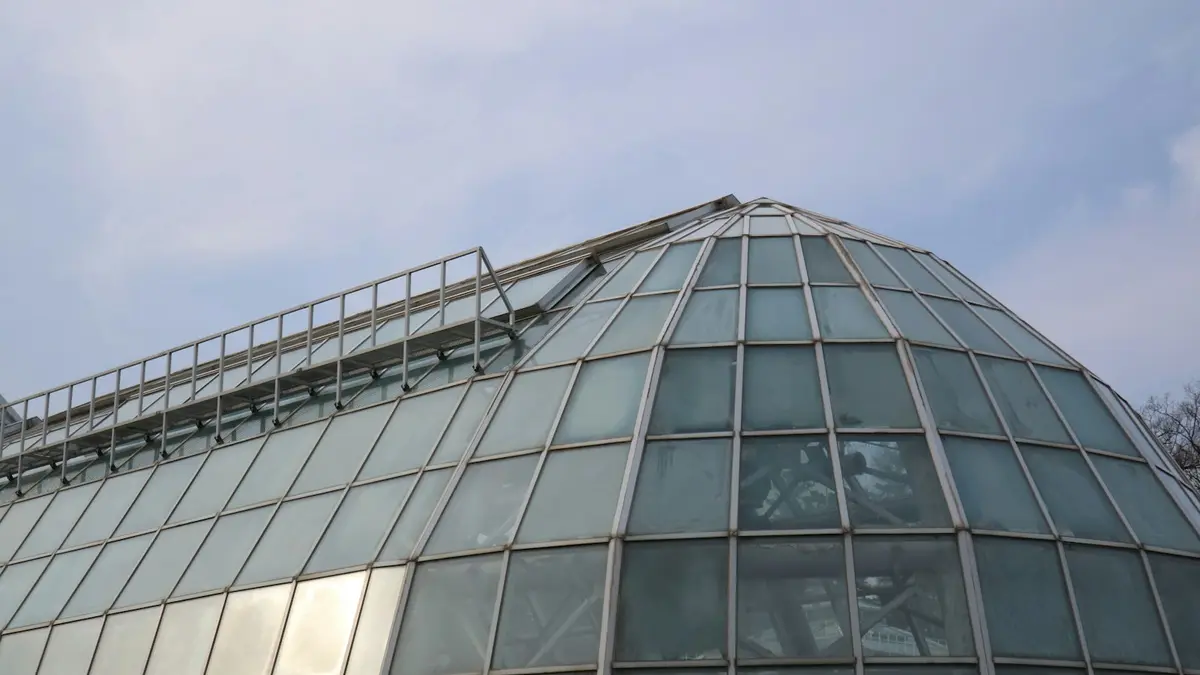
Conservatory Roof Cleaning Guide: What Works and What to Avoid
A clean conservatory roof lets in more light and looks better from the garden. A dirty one turns green, streaky and dull. This guide explains what causes the mess, how to clean it, and how to stay safe while you do.
Why conservatory roofs get dirty
A conservatory roof is flat or gently sloped, so water drains slowly. Dirt, pollen and leaves settle on the surface and in the bar channels. Moisture then stays there, and algae and moss start to grow.
Shade makes it worse. Trees drop leaves and sap, while north-facing sections stay damp for longer. The Met Office climate averages show that many parts of the UK have frequent wet days, so damp is a regular guest on a conservatory roof.
The role of the gutters
Gutters on a conservatory are small and block easily. When they overflow, dirty water runs back over the glazing and leaves tide marks. Therefore, a good clean always includes the gutters and the downpipe. Our post on fascias and soffits shows how the edge details work on any extension.
Safety comes first
Many conservatory roofs cannot carry a person. The Health and Safety Executive treats them as fragile roofs and explains that falls through them cause serious injuries. Never climb onto the glazing or the polycarbonate sheets, and never lean a ladder against them.
Plan your access instead. Work from a ladder against a solid wall, a platform or a long pole from the ground. The HSE also reminds you that a ladder suits only short, light tasks. If you cannot reach the roof safely, stop and hire someone with the right gear.
Roof types and risks
Polycarbonate roofs are light and can crack under weight. Glass roofs are heavier but can break. Tiled conservatory roofs are stronger, although the frame still needs care. Treat every type as fragile until a trained person says otherwise.
What you need to clean the roof
You do not need much kit. Gather these items before you start:
- A soft brush on a telescopic pole.
- A bucket of warm water with a mild, non-abrasive cleaner.
- A hose with a gentle spray.
- A squeegee for the glass.
- Gloves and eye protection.
Avoid bleach, harsh solvents and wire brushes. They can damage seals, strip coatings and mark the glazing. In addition, never use a high-pressure jet on the panels.
Step by step: a safe clean
- Clear leaves and debris from the roof edges and gutters first.
- Wet the roof with a gentle spray.
- Scrub the panels with the soft brush and cleaner, working from the ridge down.
- Clean the bars and the channels, because dirt hides there.
- Rinse well so no soap dries as a film.
- Wipe the inside of the glass if you can reach it.
Work on a cool, overcast day. Hot sun dries the cleaner fast and leaves streaks. Because the job is slow and careful, allow a few hours rather than rushing.
When to use a professional
Call a professional if the roof is high, wide or hard to reach. Also call if you see cracks, loose bars or leaks, because cleaning can make a weak roof worse. A trained team has the right access kit and knows how to protect the seals.
A professional conservatory cleaning visit usually covers the roof, the frames, the gutters and the glass. The team also checks for faults and tells you what they find. If you want a price, you can request a quote and describe the size, height and access.
Pressure washing: use with care
Pressure washing has a place around a conservatory. It works well on the patio, the paths and the base walls, where dirt builds up. By contrast, the roof needs a much gentler approach.
A skilled operator adjusts the pressure and the nozzle to the surface. They keep the jet well away from seals, vents and window joints. A professional pressure washing service can clean the hard surfaces around your conservatory while a separate soft wash handles the roof.
Cleaning the frames and the inside
The roof is only one part of the job. The frames, the cills and the inside of the glass collect dirt too. Wipe the frames with warm soapy water, and clear the drainage slots at the bottom of each window, because blocked slots trap water. Meanwhile, check the door and window seals for gaps, since a failed seal lets damp in.
Inside, a streak-free finish needs a clean cloth and a squeegee. Work from the top down so drips do not undo your effort. Moreover, clean on a dull day, because direct sun dries the glass too fast.
Keeping the roof clean for longer
A little routine saves a lot of scrubbing. Brush off leaves in autumn, and clear the gutters twice a year. Trim branches that hang over the roof. Check the seals and the bar caps for gaps, since water that gets in causes mould.
Homes covered by Leicester gutter services and our Nottingham page share the same UK weather as everywhere else, so damp and moss are a risk wherever you live. A yearly check keeps problems small.
Other jobs to bundle
Many owners clean the conservatory at the same time as the rest of the house. If you have solar panels on the main roof, read our guide to cleaning solar panels. If your house has three storeys, see how to approach gutters on a tall house safely.
Booking several jobs together can save time and reduce disruption. It also gives the team a full view of the roofline, so they can spot faults early.
Frequently asked questions
Is it safe to walk on a conservatory roof?
No. Many conservatory roofs are fragile, and the HSE warns that people fall through them every year. Never step on the glazing, and use proper access equipment instead.
Can I pressure wash a conservatory roof?
Take great care. High pressure can force water through seals, strip the finish and damage the glazing bars. A soft wash with gentle pressure is the safer choice.
How often should a conservatory roof be cleaned?
Once or twice a year suits most homes. Roofs under trees or in damp, shaded spots may need more. Clean the gutters at the same time, because blocked ones spill dirty water back onto the glass.
What causes green marks on a conservatory roof?
Algae and moss grow where moisture lingers, especially on shaded and north-facing sections. Dirt in the bar channels and under the seals gives them a place to start. A regular clean stops them taking hold.
Sources
- hse.gov.uk https://www.hse.gov.uk/construction/safetytopics/roofwork.htm
- hse.gov.uk https://www.hse.gov.uk/work-at-height/ladders/when-how-to-use-ladders-safely.htm
- metoffice.gov.uk https://www.metoffice.gov.uk/research/climate/maps-and-data/location-specific-long-term-averages