Moss on Roofs and Gutters: Causes, Risks and Safe Removal
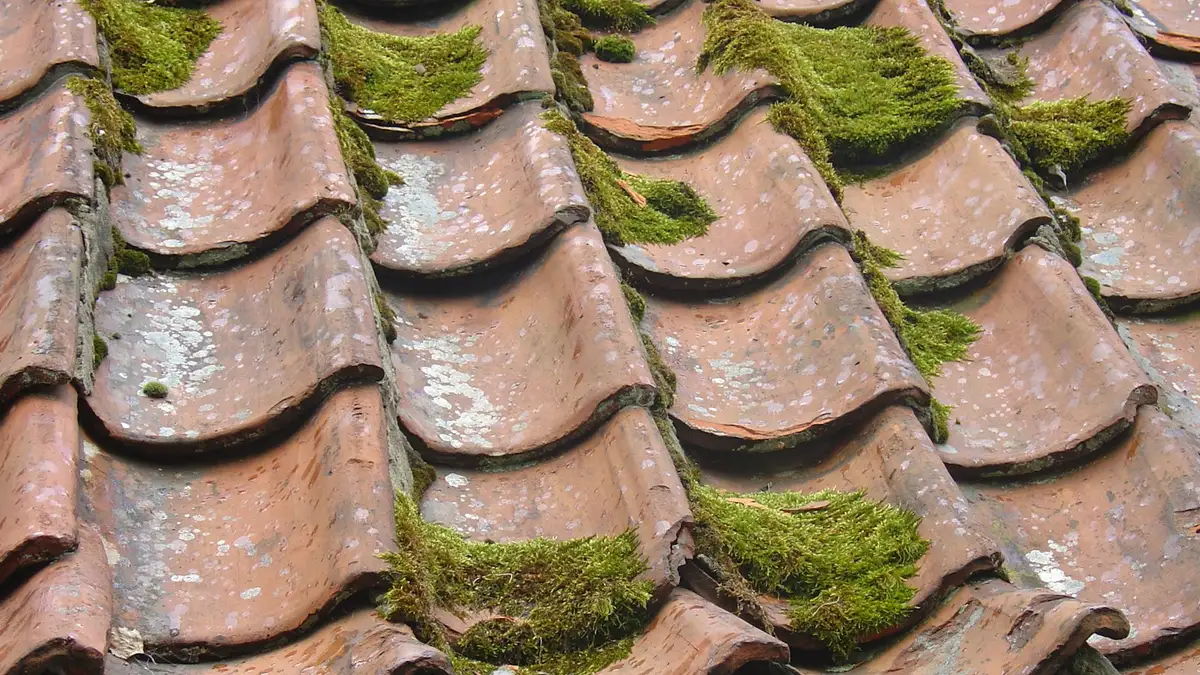
Moss is one of the most common sights on UK roofs. A soft green carpet looks harmless, and some people even find it charming. Yet it affects both your tiles and your gutters.
This guide explains why moss grows and what it does to a home. It also covers how to remove it without causing harm, and when to call a professional. Because every roof differs, the advice here stays general.
Why moss grows on roofs
Moss needs three things: moisture, shade and a surface to cling to. UK weather supplies the first in plenty. The Met Office climate averages show that rain falls across the country in every month, so roofs stay damp for long spells. For example, a roof under trees stays damp for most of the year.
Shade does the rest. North-facing slopes, roofs under trees and the lower edge of a pitch all dry slowly. Moss spreads there first, then creeps up the slope. However, even a sunny slope can grow moss if it stays wet.
Rough surfaces help it hold on. Concrete tiles, aged clay and old mortar all have tiny pits where spores settle. Consequently, an older roof tends to grow moss faster than a new one.
What moss does to a roof
Moss acts like a sponge. It soaks up rain and holds it against the tile for days. In freezing weather that water expands, which can flake the surface and loosen pointing. Therefore, thick growth can speed up wear on the surface.
Heavy growth can also lift the edges of tiles. Water then finds its way under them and into the roof space. Furthermore, thick moss can block the small gaps that let a roof dry out.
Mortar on ridge and verge tiles suffers most. Wet moss sits on top of it and slowly breaks it down. If you see crumbs of mortar in the gutter, the roof edge needs a closer look. Since the damage starts quietly, a regular check helps.
How moss reaches your gutters
Moss does not stay on the roof. Rain, wind and birds pull away loose clumps, and these wash straight into the gutter. A mat of wet moss then builds up at the outlet and blocks the flow. As a result, the gutter often shows the first sign of trouble.
Once the gutter holds moss, new moss often starts to grow in it. Soil forms from rotted leaves, and spores take root in the damp. As a result, a neglected gutter can look like a thin garden.
The weight matters too. A gutter full of wet debris is heavy, and brackets can bend or pull away. Our gutter cleaning service clears this material and checks the fixings at the same time. Consequently, brackets can fail under a heavy load.
Coastal and south coast homes
Homes near the sea face their own set of conditions. Damp sea air, salt in the wind and mild winters all help moss and algae thrive. Roofs in places such as Brighton, Portsmouth and Southampton can stay damp for long periods, especially on shaded slopes. However, the exact risk depends on the shape and aspect of each roof.
That does not mean every roof there has moss. It means a regular look is worth the effort. You can read more on local conditions in our guides to gutter cleaning in Brighton, gutter cleaning in Portsmouth and gutter cleaning in Southampton. Nevertheless, a seasonal check is a sensible habit.
Safe ways to remove moss
The safest method is the one that keeps you on the ground. Start by checking from the garden with binoculars. Note where the growth sits and how thick it is. Since a good view from below tells you a lot, use it first.
Professionals use several methods:
- Dry brushing with a soft brush, which lifts loose moss without harming the surface.
- Hand scraping of thick patches with a plastic tool.
- A low-pressure wash that rinses residue away.
- A biocide treatment that stops the growth from returning.
Avoid a high-pressure jet. It can strip the protective layer from concrete tiles and push water under the laps. In contrast, gentle methods take longer but protect the roof.
Never walk on a roof without proper equipment. The Health and Safety Executive stresses that falls from height are a leading cause of serious injury, and wet moss is slippery. Our roof moss removal service uses suitable access equipment, so you do not need to climb at all. Because wet moss is slippery, the risk is higher than it looks.
Stop moss coming back
Removal is only half the job. Prevention keeps the roof clear for longer. Trim overhanging branches to let light and wind dry the slope. Meanwhile, light and airflow do much of the long-term work.
Treat the roof after cleaning, since a biocide slows regrowth on the surface. Keep the gutters clear as well, because standing water at the eaves feeds new growth. A simple yearly check, ideally in late autumn, catches problems early.
Timing also matters when you plan the work. Our guide to the best time of year to clean gutters explains why autumn and spring are the usual choices. Dry, mild days suit roof work best. Glass roofs grow green film too, as our conservatory roof cleaning guide explains.
When to call a professional
Call a professional if the roof is steep, tall or in poor repair. The same applies if you see lifted tiles, cracked mortar or sagging gutters. Those signs point to damage that cleaning alone will not fix. Because hidden damage costs more later, early advice helps.
A contractor should explain the method, the safety plan and the aftercare in plain terms. Ask what happens to the debris, since moss must not simply wash into the drains. For a wider view of your options, read about fascias and soffits, which sit right beside the gutter and often suffer from the same damp.
If you are weighing up gutter protection as well, our post on gutter guards covers the main trade-offs. When you want a plan for your own home, you can request a quote and describe the roof and the problem. Moss rarely fixes itself, but a modest effort now saves bigger repairs later. Although moss rarely fixes itself, a modest effort now saves bigger repairs later.
Frequently asked questions
Does moss damage a roof?
Moss holds water against the roof surface, which can speed up wear on tiles and mortar in freezing weather. It also sheds fragments into gutters, where they block outlets. Early removal limits both problems.
Is it safe to pressure wash roof moss?
High pressure can strip the surface from tiles and force water under them. Most professionals use gentle brushing and low-pressure treatment instead. Ask what method a contractor plans to use before you agree to the work.
Will moss grow back after removal?
It can, especially on shaded, north-facing slopes. A treatment after cleaning slows regrowth, and a yearly check lets you catch it early. Trimming nearby trees also helps by letting in more light.
Can I clear moss myself?
You can remove small patches that you reach from the ground or a safe platform. Roof access is a different matter, because falls from height cause serious injuries. For anything above a single-storey eave, call a professional.
Sources
- metoffice.gov.uk https://www.metoffice.gov.uk/research/climate/maps-and-data/location-specific-long-term-averages
- hse.gov.uk https://www.hse.gov.uk/work-at-height/index.htm